In This Article
A decade ago, if your face cream or energy bar came in neon plastic and shouted “NEW IMPROVED FORMULA!” nobody blinked.
Fast-forward to 2025,
Gen Z isn’t just blinking; they’re screenshotting, sharing, and side-eyeing every layer of packaging that lands on their doorstep.
For this digital-native, values-led generation, packaging is more than a pretty wrapper. It’s a statement, a canvas, and sometimes, a reason to buy (or boycott).
Scene One: A Box on a Doorstep (and the World Is Watching)
Meet Priya, a 22-year-old design student in Bengaluru. Today, an online order arrives, a minimalist skincare kit in a “surprise” recycled box. Before she even opens it, Priya snaps a ‘story’ of the quirky doodles outside.
Bonus: they spell out “designed for you, not landfill”
The product packaging unfolds like a greeting: there’s a plantable seed tag, a QR code linking to the founder’s “why,” and a cheeky sticker inside, “100% selfie-ready, zero plastic guilt.” A week later, her review is up: “Loved the cream, but honestly…best unboxing all year.”
This, in a nutshell, is Gen Z’s world, and every smart brand wants a place in it.
The Power of the First Impression (And the Second, Online)
For Gen Z, discovery is as likely to happen on Instagram or YouTube as in a store aisle. Unboxing isn’t a side quest; it’s often the main event.
If a product’s look, feel, or story doesn’t pass the vibe check in five seconds, it’s lost in the scroll.
But if it pops?
That little box might just be the star of today’s feed.
Design is content. That means packaging must delight, inform, and here’s the kicker- earn social currency.
In today’s D2C landscape, packaging doesn’t operate in isolation; it connects with storefront experience, post-purchase journeys, social amplification, and customer data.
Brands partnering with digital commerce experts like Seventh Triangle are increasingly approaching this shift through structured Digital Transformation initiatives, aligning design, technology, and customer touchpoints to ensure the story that begins on the box continues seamlessly online.
Eco Everywhere: Sustainability as Non-Negotiable
Past generations might have overlooked a little extra plastic, but Gen Z counts every wrapper. They grew up knowing about microplastics, melting glaciers, and the Great Pacific Garbage Patch.
For them, eco-friendly isn’t a bonus; it’s the bare minimum.
-
Recyclable bags, compostable mailers, and “save this box for crafts!” notes earn applause (and a tweet or two).
-
Overpackaging, excessive tape, or ‘forever’ plastics? Be prepared for a digital calling out.
Brands like India’s SOVA and Blume have made biodegradable packaging their battle flag. For Gen Z, such choices say, “We see your future, and we want to help protect it.”
Inclusivity Gets Centre Stage (And Shelf Space)
A brown-skinned model on a skincare box, gender-neutral designs for deodorant, or a hair dye packet featuring curly, wavy, and straight styles together: these aren’t just nice-to-haves, they’re signals. Gen Z expects the world, and its products, to look like everyone, and to communicate that “you belong here.”
Sugar Cosmetics, for example, has earned loyalty with packaging that celebrates diversity and wit, inviting all to “wake up and makeup” in their own style.
Personalization Nation
Priya’s friend, Arjun, just splurged on “design-it-yourself” headphones. The box?
His Instagram handle, a custom cartoon, and a tiny note: “You remix music, why not your style?”
Customisation transforms customers into collaborators. Limited drops, “collect ‘em all” campaigns, and personal touches (think hand-written notes or sticker sheets) turn buyers into a brand community. For Gen Z, “limited edition” is not a fear tactic; it’s FOMO meets self-expression.
Playful Minimalism: Design That Winks
Forget the loud, over-busy layouts of the past. Gen Z wants space to breathe, colours that soothe or stand out, and playful Easter eggs for the sharp-eyed. Maybe it’s a doodle on the box flap (“High five for recycling!”) or a meme tucked into the thank-you card.
-
Pro Tip: Simplicity doesn’t mean boring. It’s clean lines, honest materials, and just enough whimsy to make someone smile (and, naturally, share).
Purpose on the Label, Not Just a Tagline
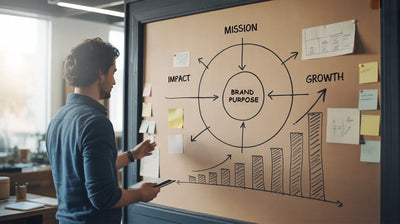
At the bottom of Priya’s kit: “We craft for community, planet, and joy, not just for margin.” Gen Z doesn’t care for vague “we care” statements. They want founder stories, transparency about sourcing, and real commitments (think “1% for clean water” or “fair wage guaranteed”).
If the package and product don’t clearly echo a brand’s mission, Gen Z is likely to take their money (and camera) elsewhere.
The Takeaway:
For brands, the message couldn’t be clearer:
With Gen Z, packaging and product design are the first impression and a lasting memory. They spark emotion, conversation, and movement, sometimes literally, on TikTok.
So next time you plan a new product, ask: Will Gen Z want to share this before they even try it? If you tailor your product packaging design for the story, not just the store shelf, you might just be tomorrow’s unboxing hero.